
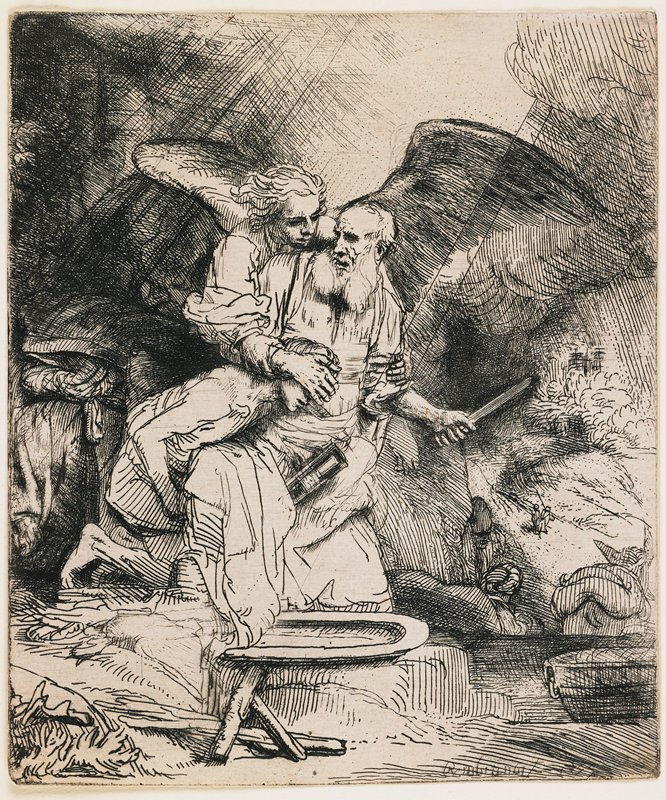
Week 15 — The Binding of Isaac
Genesis 22 read with Jewish eyes
Genesis 22:1 — The test
וְהָאֱלֹהִים נִסָּה אֶת־אַבְרָהָם׃
Literally: And God tested Abraham.
The Hebrew word nisah means: to test, to try. Not to gather information. God already knows who Abraham is. The test reveals something. Not to God alone, but to Abraham himself.
“Take your son”
קַח־נָא אֶת־בִּנְךָ אֶת־יְחִידְךָ אֲשֶׁר־אָהַבְתָּ אֶת־יִצְחָק׃
Literally: Take your son, your only one, whom you love, Isaac.
The sentence slows deliberately. Son. Only one. Love. Isaac. As if the text allows the weight of each word to be felt.
Moriah
וְלֶךְ־לְךָ אֶל־אֶרֶץ הַמֹּרִיָּה
And go, for yourself, to the land of Moriah.
The words lech-lecha sound again — the same words as in Genesis 12. Abraham’s journey turns out not to be over. Calling does not end after fulfillment.
Abraham rises early
וַיַּשְׁכֵּם אַבְרָהָם בַּבֹּקֶר
And Abraham rose early in the morning.
No discussion. No protest. The text offers no inner explanation. That makes it all the more arresting.
Isaac speaks
וַיֹּאמֶר יִצְחָק אֶל־אַבְרָהָם אָבִיו אָבִי
And Isaac said to Abraham his father: My father.
For the first time, Isaac speaks at length.
וְאַיֵּה הַשֶּׂה לְעֹלָה׃
And where is the lamb for the offering?
The question hangs in the text.
“God will provide”
אֱלֹהִים יִרְאֶה־לּוֹ הַשֶּׂה
God will see / provide for Himself the lamb.
The Hebrew ra’ah means both to see and to provide. God sees ahead. God provides. It is not Abraham who ultimately carries the solution.
The binding
וַיַּעֲקֹד אֶת־יִצְחָק בְּנוֹ
And he bound Isaac, his son.
In Jewish tradition this chapter is therefore called: the Aqedah — the binding. Notably: the emphasis is not on death, but on boundedness.
The voice
אַל־תִּשְׁלַח יָדְךָ אֶל־הַנַּעַר
Do not stretch out your hand against the boy.
At the decisive moment, a voice sounds again. The test does not end in death, but in interruption.
The ram
וְהִנֵּה־אַיִל אַחַר
And behold: a ram behind him.
The sacrifice is replaced. That is crucial. Genesis 22 does not end with human sacrifice, but with its prevention.
“The LORD will provide”
יְהוָה יִרְאֶה
The LORD will provide / see.
The place receives a name. What was first fear becomes memory.
A corrective to Greek reading
A Greek or modern reading often seeks:
-
moral explanation
-
psychological analysis
-
individual obedience
But the Hebrew text moves differently:
-
trust in the midst of tension
-
returning the promise to God
-
a God who ultimately stops the sacrifice
-
faith as relational surrender
Henk Blenkers
Who or what is this God who asks to kill the son, the Son? I know the orthodox Christian answer that implies the will of God to kill in order to fulfill a promise, or rather: to realize it.
Yet that thought ‘chafes’. Paul was looking for a way before and in his time. Why should that road have authority for our time without an appeal to sola scriptura?
Readers of our time yearn for an answer.
In Genesis 22 the names of God change, and that is not a detail.
Elohim dedicates.
YHWH interrupts and saves.
Early Jewish readers heard two voices in it: judgment and mercy.
The tension is already inscribed in the text itself, even before any theology tries to resolve it.
Perhaps the deepest question is not: what does God want?
But: what do people project onto God, and where does that stop? The Aqedah as a boundary, not as a legitimation.
Jewish tradition has never closed this story.
She lived around it, in prayer, in Rosh Hashanah liturgy, in the question of what Sarah knew, in the silence of Isaac afterwards.
That is not a weakness.
That is another form of fidelity: inhabiting the tension without relieving it.
Perhaps readers of our time are not so much yearning for an answer, but for permission to keep asking the question.